
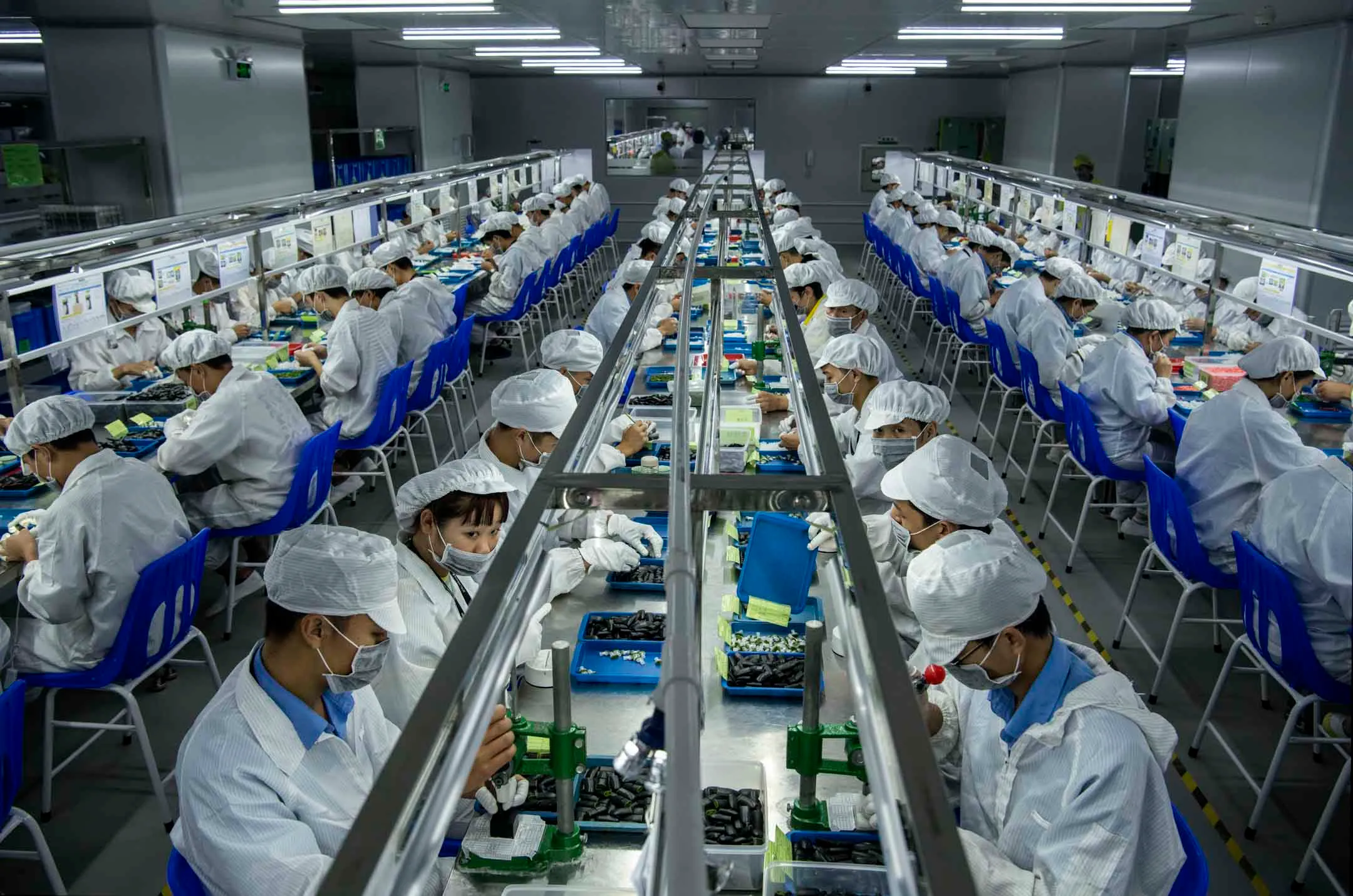
Case Study of Chinese Home Appliance Giant's Investment in South Africa: Achieving "Made in South Africa" Globalization Through Job Creation and Skills Training, Creating a Corporate-Community Co-construction Model, and Achieving a Win-Win for Business and Society.
Case Summary:
This case focuses on the investment practices of a leading Chinese home appliance giant in South Africa, refining it into a "development partner co-construction model." The company's strategy goes beyond mere commercial investment by establishing a home appliance industrial park in Atlantis, a town with high unemployment rates, deeply integrating its development with South Africa's socio-economic goals—particularly job creation and industrial upgrading. By creating thousands of jobs, establishing a comprehensive local employee training system for deep skills transfer, and successfully exporting "Made in South Africa" products to African and even European markets, the company has not only achieved commercial success but also gained valuable social capital and political recognition.
Detailed Content:
1. Investment Background: Positioning at the Intersection of "Hope" and "Need"
In 2013, the company, in collaboration with the China-Africa Development Fund, invested in Atlantis, a town near Cape Town with an unemployment rate of nearly 50% due to industrial decline. This choice itself reflects the company's strategic foresight:
●Addressing Social Pain Points:The investment directly responded to the local urgent need for employment, positioning the company as a "community revitalizer" from the outset.
●Securing Elemental Support:It enabled the company to gain stronger policy and land support from the local government.
2. Core Initiatives: Job Creation and "Teaching to Fish"
The company's operations in South Africa are centered on a "people-first" localization approach.
●Large-Scale Job Creation:The industrial park directly created over 1,000 jobs and indirectly generated more than 5,000 employment opportunities, becoming a "stabilizer" and "engine" for the local economy.●Systematic Skills Transfer:
The company's contribution goes far beyond providing jobs. It established a mature local employee training system dedicated to "teaching to fish." As reported by Xinhua, local employee Elton Minnies, who rose from an ordinary worker to a skilled technician capable of mentoring others, exemplifies the company's deep empowerment of local talent and its role in promoting South Africa's industrialization.3. Strategic Outcomes: The Glory and Win-Win of "Made in South Africa"The success of the company's South African factory is ultimately reflected in the dual enhancement of its commercial output and brand value.●Expanding Across Africa, Entering Europe:
The factory produces 1.5 million TVs and refrigerators annually, meeting not only South African market demands but also exporting to over a dozen African countries. In 2022, the factory's refrigerators successfully entered the European market for the first time, marking a milestone in the international recognition of "Made in South Africa" quality.
●
Elevating the National Brand:The company's success has significantly boosted the international reputation and national pride associated with "Made in South Africa." By deeply aligning its development with the host country's industrial prestige, the company has built a profound mutual trust relationship that transcends commercial contracts.[SKIPPED][SKIPPED][SKIPPED]
[SKIPPED][SKIPPED][SKIPPED]